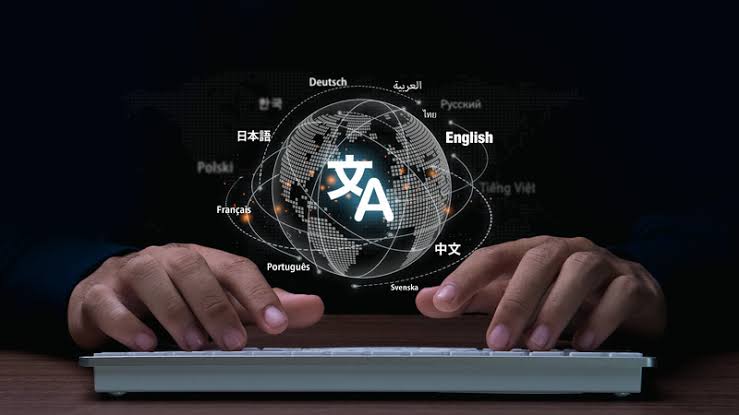

A single onboarding video, product demo, or training module now gets watched by audiences across dozens of markets, often without a single word changed for any of them. That mismatch is what multimedia localization exists to fix.
Multimedia localization adapts video, audio, and interactive content, not just the script, so it plays like it was made for the audience watching it. Localizera builds this around a full pipeline: transcription, translation, subtitling, voiceover and dubbing, on-screen text redesign, and QA.
In short
- Multimedia localization adapts language, visuals, voice, and on-screen text; multimedia translation converts words alone.
- Core services include subtitling, voiceover, dubbing, transcription, on-screen text adaptation, and eLearning or software UI localization.
- Businesses need it for market expansion, brand consistency, accessibility compliance, and stronger engagement than subtitles-only content.
- The typical workflow runs through file prep, transcription and translation, production, QA, and delivery.
- The right provider has native-speaking linguists, a documented QA process, and platform compatibility.
What Is Multimedia Localization?
Multimedia localization adapts video, audio, and interactive content, including language, visuals, voice, pacing, and on-screen elements, so it reads as native to a target market instead of simply translated for it. It’s broader than localization services applied to text alone, and distinct from multimedia translation, which converts words without adjusting timing, imagery, or format. GALA, the Globalization and Localization Association, describes localization as adapting content for a specific region or culture, not just converting it. That distinction is where most projects go wrong.
The content types involved are broad: marketing videos, eLearning and SCORM/xAPI packages, in-app demos, video games, podcasts, and platform UI with embedded video. Anywhere a business communicates through a screen or speaker, there’s a localization decision to make.
Core Components of Multimedia Localization Services
Subtitling and Captioning
Timed, on-screen text synced to dialogue. Subtitles translate speech; captions also capture non-speech audio, including effects and speaker IDs, for deaf and hard-of-hearing viewers. It’s the fastest and least expensive option, and subtitle translation services don’t require replacing the audio track at all.
Voiceover and Dubbing
Voiceover layers translated narration over the original audio, common for training where lip-sync isn’t critical. Dubbing fully replaces the audio and matches mouth movements, standard for film, TV, and premium marketing. Dubbing costs more and takes longer because of the lip-sync constraint.
Transcription
Converting audio into source-language text is the foundation everything else builds on. Errors here compound through subtitling, translation, and dubbing, so it’s a small line item that determines how much rework happens later.
On-Screen Text and Graphic Adaptation
Callouts, lower-thirds, screenshots, and charts need localizing too, usually a redesign rather than a text swap. Text expansion is real: German or Finnish text commonly runs 20 to 35% longer than English, breaking layouts that weren’t built with that room.
eLearning and Software/UI Localization
SCORM/xAPI packages and interactive modules with branching or quizzes require working inside the LMS or authoring tool itself, so navigation and assessments still function, not just the video track. Localizera’s eLearning subtitling work covers exactly this.
Why Businesses Need Multimedia Localization
Content that exists in one language only reaches people who speak that language, and no ad spend changes that math. A single workflow also keeps terminology and tone consistent once you’re no longer juggling separate vendors per region.
On compliance, the W3C’s Web Content Accessibility Guidelines (WCAG) set the technical bar most U.S. organizations build toward for captions and audio descriptions, and multimedia localization produces much of that work as a byproduct. Beyond compliance, dubbed or voiced-over content removes the cognitive load of reading subtitles in a second language, a real drag on comprehension for many viewers.
Industries That Rely on Multimedia Localization
Corporate training and eLearning teams run compliance and onboarding programs globally, often pairing recorded modules with live sessions handled through video remote interpretation.
Marketing and advertising teams launch campaigns across markets at once. Software and SaaS companies tie in-app tutorials and demo videos to a live product. Healthcare organizations produce patient education and provider training with real regulatory weight. Media, entertainment, and gaming brands depend on nuance and lip-sync quality to hold an audience.
The Multimedia Localization Workflow
- File & script preparation. Source files, scripts, style guides, and glossaries are collected upfront.
- Transcription & translation. Audio is transcribed, then translated by native-speaking linguists with subject-matter familiarity.
- Voiceover, dubbing, or subtitle production. Voice talent, lip-sync engineers, or subtitle specialists produce the localized track.
- Linguistic & technical QA. A second linguist checks accuracy and tone; a technical pass checks sync and playback.
- Final delivery. Files are exported as SRT/VTT captions, mixed audio, SCORM packages, or platform-specific video, ready to publish.
Common Challenges in Multimedia Localization
Text expansion and contraction affect subtitle timing and layout. Lip-sync constraints sometimes force a trade-off between literal accuracy and natural sync.
Right-to-left languages like Arabic and Hebrew need layout mirroring, while CJK languages need different line-length rules. Cultural adaptation of visuals, humor, and idioms matters too, since a joke or color choice that lands at home can misfire abroad.
How to Choose a Multimedia Localization Provider
Look for native-speaking linguists with subject-matter experience, since a medical video and a marketing spot need different backgrounds, not just the same language pair. Ask how the provider’s QA process works, both linguistically and technically. Confirm format compatibility with your LMS, streaming platform, or app store, and check how confidentiality is handled for pre-release or embargoed content.
Ready to localize your video, audio, or eLearning content? Request a quote from Localizera.
The Bottom Line
Video, audio, and interactive content are now the default way businesses train employees and market products, and content that only works in one language only reaches one audience.
Multimedia localization closes that gap by treating subtitling, dubbing, voiceover, and QA as distinct, sequenced steps rather than one generic task, and it gets you closer to WCAG-based accessibility standards along the way.
For teams weighing where to start, website localization and desktop publishing work often runs alongside multimedia projects, since the same layout issues show up in both. Localizera’s team can walk you through timelines and costs for your first project.
Frequently Asked Questions
What is multimedia localization?
Adapting video, audio, and interactive content, including language, visuals, voice, and on-screen text, so it feels native to a target market, not simply translated.
What’s the difference between multimedia localization and multimedia translation?
Translation converts language only. Localization also adjusts timing, visuals, cultural references, and formatting, and typically includes dubbing, subtitling, and graphic adaptation.
What file types are involved in multimedia localization?
Video containers (MP4, MOV), caption files (SRT, VTT), audio tracks (WAV, MP3), and eLearning packages (SCORM, xAPI), depending on the destination platform.
How much does multimedia localization cost?
Subtitling is typically the least expensive, transcription is a small line item, and dubbing is usually the most expensive due to voice talent and lip-sync engineering. Volume, language pairs, and turnaround affect pricing.
Do you localize eLearning and SCORM content?
Yes. This means working inside SCORM or xAPI packages to localize video, narration, and interactive elements like quizzes, not just translating a script.
How long does multimedia localization take?
It depends on content length, target languages, and service type. Subtitling typically turns around faster than dubbing, which requires casting and recording voice talent.