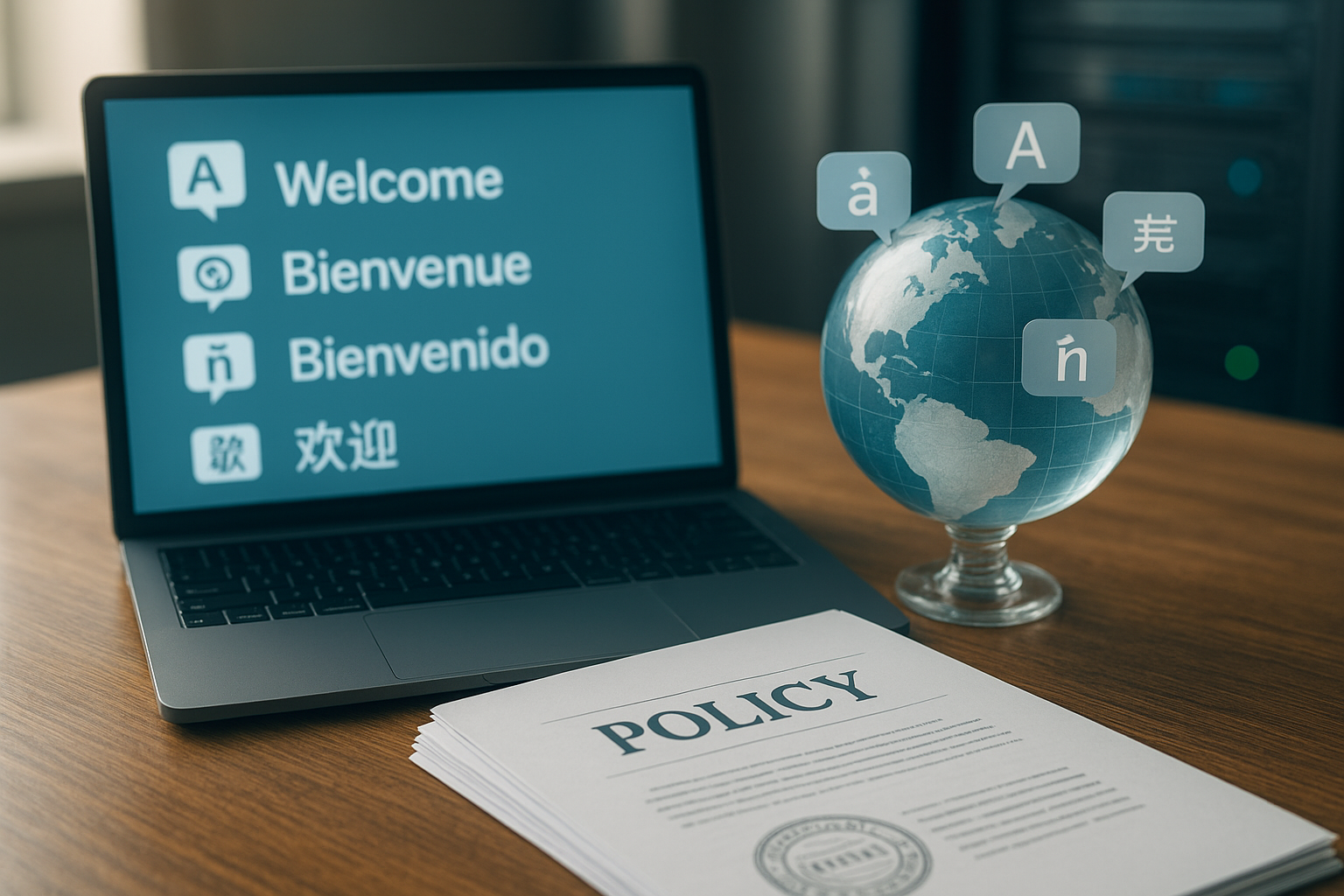
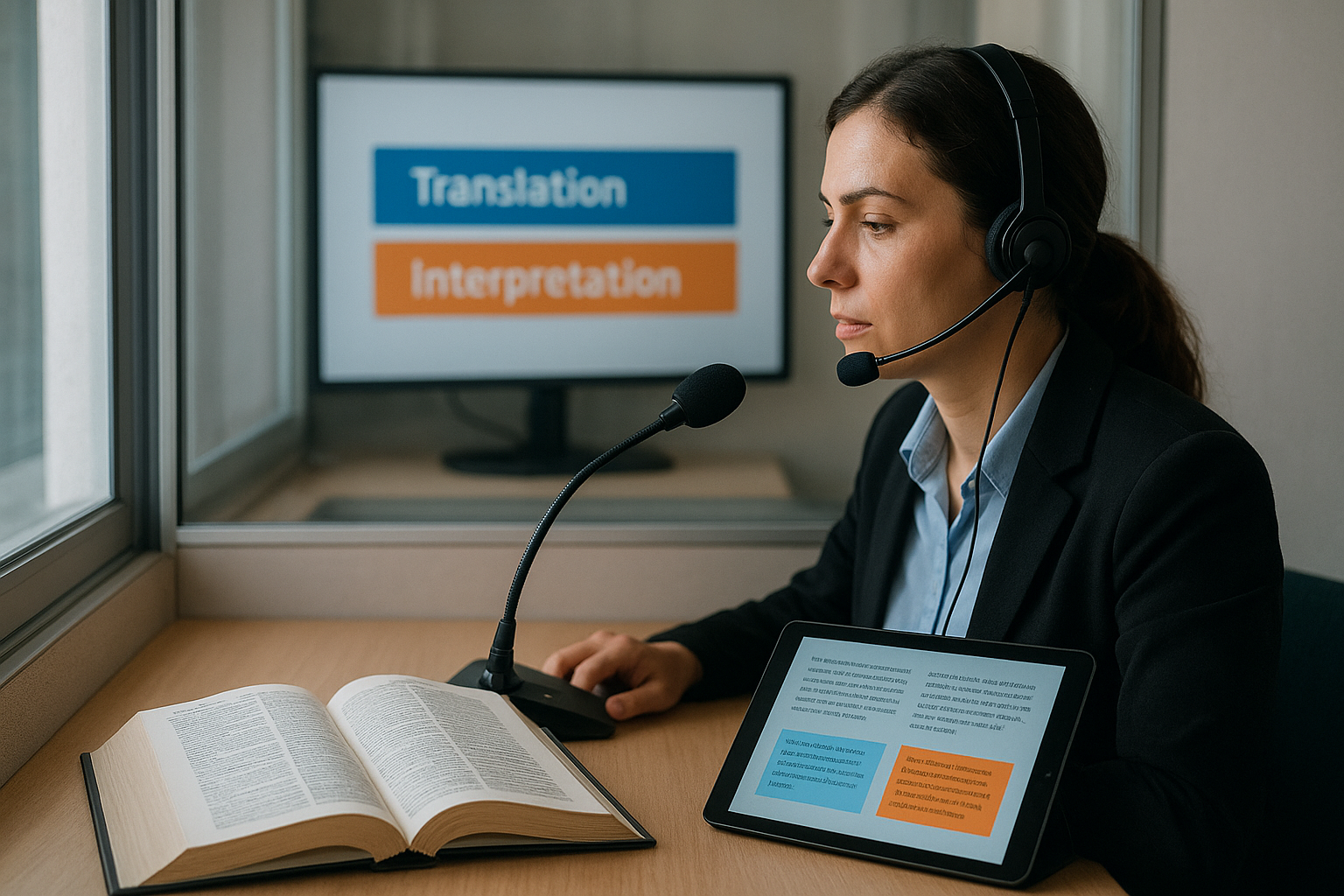
AI Training and Responsible AI: How AI is Reshaping Language Services (Responsibly)?
Let’s be honest, we’ve all been victims of terrible translations. That time your Japanese sushi menu promised “fried child” instead of “fried prawn”? Classic. Or when your Spanish presentation said you were “embarazada” (pregnant) instead of “avergonzada” (embarrassed)? Big oof.
Now comes AI, the tech superhero here to save us from translation disasters. But here’s the plot twist: AI doesn’t actually “know” any languages. It’s just really good at faking it. Imagine teaching your dog to understand Shakespeare. That’s basically what we’re doing with AI translation; except instead of treats, we’re shoveling terabytes of multilingual data into its digital brain.
That’s why AI training is like the world’s most intense language bootcamp. We’re talking multilingual data labeling services working overtime to teach AI that “HOT DOG” is food, not a sweaty puppy.
This is why responsible AI isn’t optional, it is an approach to developing, deploying, and using AI systems that align with ethical principles and societal values. It’s damage control for when tech gets too smart for its own good. Because no one wants marketing slogans that accidentally swear in another language.
In this blog, we’ll dive into how AI and translation are teaming up, and why the future of global tech depends on getting this partnership right, ethically, accurately, and responsibly. Ready to dive deeper? Let’s go.
What Is AI Training, Really?
Ever wonder how AI “learns” a language? Spoiler alert: it doesn’t happen overnight — and it doesn’t happen without a lot of human help.
Ever wondered how Google Translate went from spitting out word salad to actually making sense? Or why your phone suddenly get your slang-filled texts right? Thanks to AI training, the digital equivalent of sending your AI to language school (minus the student debt).
How AI Learns to Speak Human?
At its core, AI training is like teaching a toddler, except instead of picture books, we use:
- Data Collection: Dumping the entire internet (well, parts of it) into a digital brain
- Labeling & Annotation: Humans tagging what “lit” means (awesome, not on fire) via multilingual data labeling services
- Algorithm Bootcamp: Math magic that helps AI spot patterns (like how “sick” can mean ill or cool, depending on your age)
For language tasks, there are two main teaching methods:
- Supervised Learning: Showing AI millions of “correct” translations (like flashcards for robots)
- Reinforcement Learning: Letting AI guess, then telling it “warmer/colder” until it gets it right
Why More Data = Better Translations?
Today’s AI does better because:
- It’s seen billions of proper translation
- Translation for AI data annotation has taught it context (bank = money place vs. river side)
- It learns from its mistakes (mostly)
Google Translate and DeepL keep improving simply by eating more data. Every time someone corrects a translation, that feedback makes the AI slightly smarter.
But if the data is biased, inconsistent, or incomplete? The results can be awkward — or even harmful.
That’s why the quality of AI training is so important — and why responsible AI isn’t just about what a machine can do, but what it should do.

Why Responsible AI Matters in Translation?
A mistranslated word can be funny — or it can be fatal.
As AI becomes more deeply embedded in our global communication systems, the consequences of poorly trained or careless models grow more serious. When it comes to language, accuracy isn’t just a technical goal — it’s a human responsibility. That’s where responsible AI comes in.
When we talk about AI training for language models, we’re not just talking about speed or scale — we’re talking about trust. Whether you’re developing a chatbot for international customer service or training a multilingual medical assistant, ensuring fairness, clarity, and context matters more than ever.
-
Avoiding Bias in Translation
Languages carry cultural weight. A poorly trained AI might default to gendered assumptions (“he” for doctor, “she” for nurse), miss regional nuances, or misinterpret culturally sensitive phrases. Through translation for AI data annotation and expert multilingual data labeling services, human professionals help teach AI not just what words mean, but how they mean differently across regions, dialects, and contexts.
- Ethical Use of Customer Data
In industries like legal, healthcare, and finance, language carries private, sensitive information. Training AI on this kind of data without strict ethical guidelines can quickly become a privacy nightmare. Responsible AI ensures that customer data is anonymized, protected, and used with consent, not just harvested for machine learning.
-
Accuracy and Accountability
Mistranslations might be laughable in casual settings, but in real-world applications, they can have serious consequences, from botched medical advice to legal misunderstandings. High-quality AI training backed by human oversight is essential to ensure AI-powered tools are not only fluent but also reliable.
At the end of the day, building smart language AI isn’t just about teaching machines to talk — it’s about making sure they listen, respect, and understand. And that only happens when responsibility is baked into the process from day one.
What Happens When AI Training Goes Wrong?
When AI talks trash, it’s not just embarrassing — it can be dangerous.
We love a smart machine that gets things right. But when AI training is rushed, sloppy, or missing the human touch, things can spiral fast. And in the world of language, those mistakes are amplified across cultures, industries, and entire markets.
Here’s what happens when responsible AI takes a back seat:
-
Biased Outputs that Reinforce Stereotypes
Without diverse, well-annotated training data, AI has a bad habit of picking up — and amplifying — existing biases. Think of gender stereotypes in job roles or skewed translations that paint entire cultures inaccurately. Poor translation for AI data annotation means the model learns one worldview and repeats it, loudly. Not a good look for global brands.
-
Mistranslations That Lead to Legal Trouble or Brand Damage
Imagine a mistranslated contract clause that costs a company millions. Or a medical instruction that gets flipped in translation. Yeah — it’s not just a typo. It’s a lawsuit waiting to happen. Without proper multilingual data labeling services, even advanced AI systems can produce outputs that are way off and the consequences are all too real.
-
Over-Reliance on Automation Without Human Oversight
Sure, automation is fast. But when companies skip the human-in-the-loop model and go full robot mode, nuance disappears. Humor gets lost. Cultural context? Gone. AI might translate the words — but not the meaning. That’s why expert human review should always be a core part of the AI training pipeline, especially in high-stakes or culturally sensitive scenarios.
Bottom line? Cutting corners on responsible AI doesn’t just hurt accuracy — it puts your reputation, customers, and operations at risk.

Testing AI’s Limits: Don’t Trust It Until You Test It
Just because AI can translate doesn’t mean it should — or that it’s getting it right.
One of the most underrated but crucial parts of AI training is knowing when your system is out of its depth. Even the most advanced language models can fumble cultural references, miss sarcasm, or default to biased outputs if left unchecked. That’s why responsible AI isn’t just about what you feed it — it’s also about how often you challenge it.
-
Stress-Test for Real-World Scenarios
Can your model handle slang in Spanish? Legalese in Japanese? Medical jargon in Arabic? Putting your AI through rigorous, real-world testing reveals weak spots you won’t catch in a sanitized dev environment. That’s where translation for AI data annotation steps in — human experts help create nuanced test sets that simulate how people actually speak and write.
-
Metrics Matter — But So Does Meaning
Accuracy rates and BLEU scores are helpful, but they don’t always tell the whole story. You need human linguists — and high-quality multilingual data labeling services — to evaluate things like tone, cultural fit, and readability. Because if your AI nails grammar but loses intent? That’s still a fail.
-
Iterate, Don’t Hibernate
AI isn’t a “train once and forget it” deal. Languages evolve, user needs shift, and new content types emerge. Continuous testing and re-training are must-haves for maintaining both performance and ethical standards in a live environment. It’s all part of the responsible AI loop.
Next up, let’s flip the script and talk solutions: how to build AI you can actually trust, with best practices for responsible, multilingual, and human-aware training.
Building Smarter AI: Best Practices for Responsible Translation
Want AI that actually works — and works ethically? It all starts with how you train it.
Responsible AI doesn’t happen by accident. It’s the result of deliberate choices made during every stage of AI training, from the datasets you use to how you validate the results. When it comes to language-focused models, this is even more crucial. Words carry weight, and getting them wrong can have real consequences.
Here’s how to make sure your translation AI is not only smart but fair, accurate, and trustworthy:
-
Data Diversity
A good translation model speaks everyone’s language, not just the most common ones. That means using rich, representative datasets that span regions, dialects, genders, and cultural perspectives. Through high-quality translation for AI data annotation and multilingual data labeling services, you can ensure your model isn’t just fluent, but inclusive.
-
Human-in-the-Loop
AI can do a lot, but it still needs a human brain to stay grounded. Having professional linguists review, correct, and fine-tune machine-generated translations keeps quality high and cultural slip-ups low. This human-in-the-loop approach is a gold standard in responsible AI training, and it’s non-negotiable for anything client-facing.
-
Transparency
People deserve to know when they’re talking to a machine. Be upfront with clients about how AI is used in your workflow — whether it’s in backend processes or part of a live translation service. Transparency builds trust and sets realistic expectations for accuracy and review.
-
Continuous Evaluation
AI isn’t a set-it-and-forget-it tool. Language evolves, and so should your model. Regular testing for bias, cultural relevance, and linguistic accuracy ensures your system keeps up with real-world changes. It’s the key to keeping your responsible AI strategy sharp and future-proof.
At the end of the day, great AI translation isn’t just about faster workflows or lower costs — it’s about building systems that respect language, culture, and people. When you combine thoughtful AI training with expert-led translation for AI data annotation, the result is powerful tech that communicates with clarity and conscience.
Checklist for Responsible AI Adoption in Localization
Thinking about bringing AI into your localization workflow? Awesome — but before you hit “go,” let’s make sure you’re setting your team (and your tech) up for success.
Here’s your go-to checklist for adopting responsible AI in the world of translation and localization — the smart way:
-
Use Diverse, Inclusive Datasets
Are your training materials truly global? Make sure your AI is learning from data that reflects a variety of cultures, dialects, and demographics. This is where expert translation for AI data annotation makes all the difference.
-
Partner with Human Experts
AI + human = power move. Bring in professional linguists to review, correct, and fine-tune your outputs. Think of it as quality control with a cultural compass.
-
Choose the Right Language Service Partner
Work with experienced agencies like Localizera that offer reliable multilingual data labeling services and have proven ethics and expertise in AI training.
-
Be Transparent with Your Clients
Let your clients know when AI is being used, how it’s helping, and where human oversight steps in. Trust is built on clarity, not smoke and mirrors.
-
Test, Monitor, Improve — Repeat
Bias creeps in when no one’s watching. Continuously evaluate your AI’s translations for accuracy, tone, and fairness. Responsible AI isn’t “set it and forget it” — it’s an ongoing commitment.
-
Respect Data Privacy
Especially if you’re working with sensitive content in legal, medical, or financial fields. Make sure your data pipelines are clean, compliant, and consent-based.
If your checklist looks like this, you’re on the path to building AI that’s not just smart, but socially smart.
Leading the Way: How Localizera Champions Responsible AI
Let’s be real — not all translation is created equal. And in the age of AI, the difference between “good enough” and “ethically excellent” comes down to who’s behind the work.
That’s where Localizera steps in — not just as a provider, but as a partner in building smarter, safer, and more culturally aware AI systems.
As a proud member of the American Translators Association (ATA), Localizera is committed to upholding the highest industry standards. But we’re not just talking about perfect grammar. We’re talking about values — transparency, inclusivity, accuracy — baked into every layer of our AI training workflows.
-
Setting the Standard for Responsible AI
Localizera leads by example, pushing for ethical guidelines in translation for AI data annotation and multilingual data labeling services. That means rejecting biased datasets, flagging problematic outputs, and always keeping real human impact in mind.
-
Investing in AI With Human-Centric Values
AI is cool, but people still come first. Localizera blends automation with expert human insight, ensuring machines learn the right lessons. From training neural machine translation models to supporting real-time multilingual chatbots, we make sure every step reflects a balance of innovation and ethics.
-
Building Better MT Tools, Together
We’re not just using machine translation (MT) — we’re helping shape it. Localizera collaborates with developers and tech teams to create MT tools that are actually useful, fair, and fine-tuned for diverse audiences. Because great AI isn’t built in isolation — it’s built in partnership.
-
Educating Clients, Honestly
Not every translation job should go to a machine. We help our clients understand when AI can speed things up — and when a human touch is non-negotiable. By breaking down the pros and cons of AI-powered workflows, we empower businesses to make smart, responsible decisions.
Future Trends: AI + Human Synergy Is the New Power Combo
The future of localization isn’t a battle between man and machine — it’s a brilliant partnership. Hybrid workflows that combine the speed of AI with the nuance of human expertise are quickly becoming the industry standard. And honestly? That’s the sweet spot.
-
Humans as AI Trainers, Not Just Translators
Today’s linguists aren’t just translating — they’re training. Professional translators are now essential players in AI training, helping models learn tone, context, and cultural nuance through translation for AI data annotation and ongoing feedback. They’re the editors, curators, and gatekeepers of quality in a world driven by data.
-
Smarter Tech, Stronger Translation
From adaptive translation engines that learn on the fly, to real-time AI interpretation, voice cloning, and multilingual chatbots, the tech is evolving fast. But here’s the key: these tools still need curated, high-quality datasets and expert review — and that’s where multilingual data labeling services come into play. Without them, it’s just noise.
-
The Rise of Hybrid Workflows
Imagine an AI that drafts the first translation pass, and a human linguist who polishes it to perfection. That’s already happening — and it’s more efficient, scalable, and accurate than either could achieve alone. It’s not just the future — it’s the now.
As AI grows smarter and tools become more intuitive, the human role doesn’t shrink — it evolves. Translators become AI collaborators, coaches, and cultural consultants. And with the right people and language partners involved, this synergy leads to faster turnarounds, better quality, and globally resonant messaging.
Conclusion: A Call for Responsible AI Innovation
Innovation is exciting — but without responsibility, it’s just noise.
As AI continues to reshape how we translate, communicate, and connect across borders, it’s up to us — the people behind the tech — to make sure it’s done right. That means building smarter systems, yes, but also safer, fairer, and more human-aware ones.
At Localizera, we’re proud to be more than just a translation agency — we’re a partner in shaping the future of global communication. From expert AI training and culturally rich translation for AI data annotation, to reliable multilingual data labeling services, we’re deeply invested in creating tools that work with people, not just for them.
As a part of Translators and Interpreters (ProZ.com), Localizera is committed to setting the bar high — combining innovation with integrity, and speed with sensitivity. We believe that responsible AI isn’t just a trend — it’s the foundation for global growth that’s inclusive, ethical, and sustainable.
So let’s keep pushing boundaries — but let’s do it responsibly.
Because when AI speaks every language with accuracy, empathy, and accountability… the whole world listens.